Maasai Culture

About Maasai Culture

The Maasai (or Masai) are one of Africa’s most iconic ethnic groups, known for their vibrant red robes, intricate beadwork, and semi-nomadic pastoralist lifestyle. Here’s an in-depth look at their fascinating culture:

Recomanded Day Trips

The Maasai (or Masai) are one of Africa’s most iconic ethnic groups

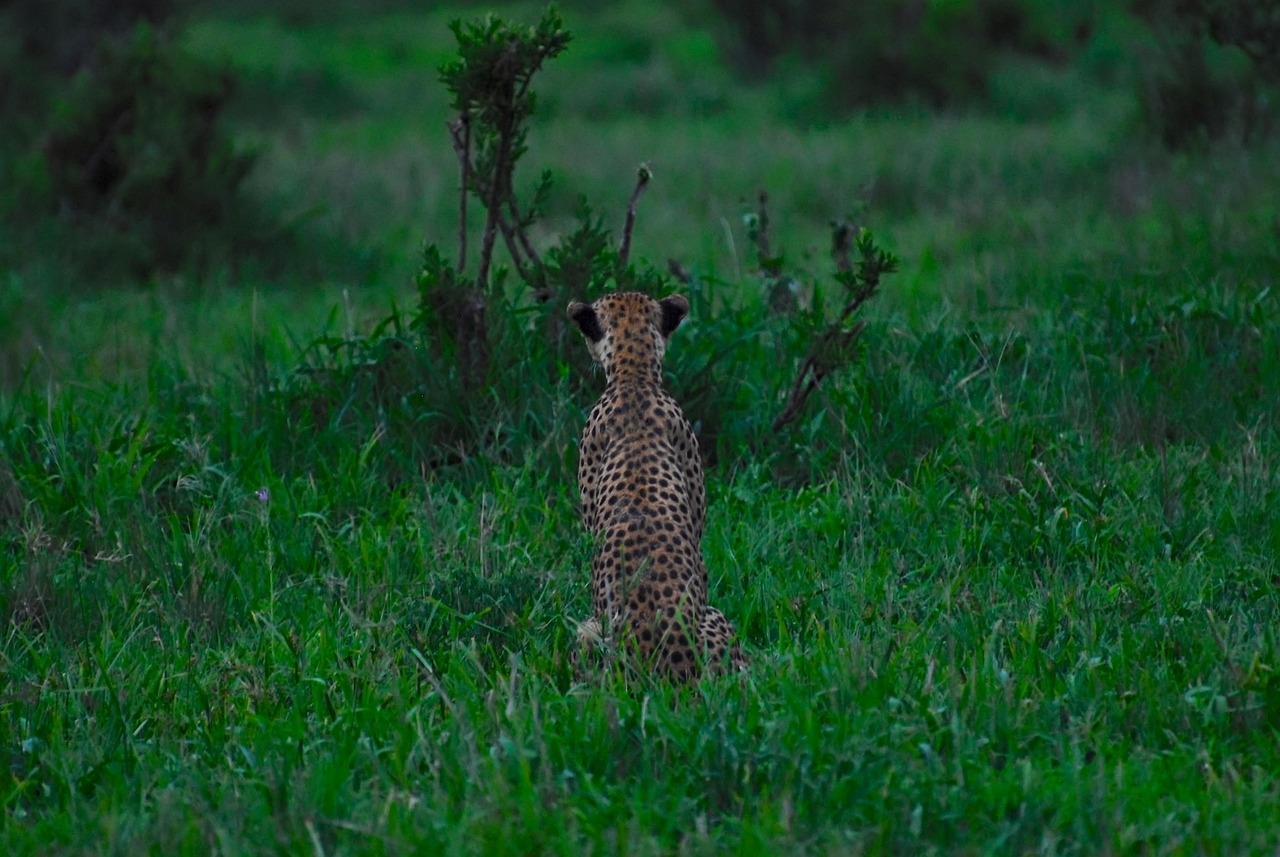
cheetah, animal, big cats, feline, mammal, predator, wildlife, safari, nature, wildlife photography, wilderness, africa, wild, meadow, endangered species, world cheetah day, tarangire national park, tanzania, tarangire, tarangire national park, tarangire, tarangire, tarangire, tarangire, tarangire
5 Days 4 Nights
Explore Tarangire, Lake Manyara, Serengeti National park & Ngorongoro crater
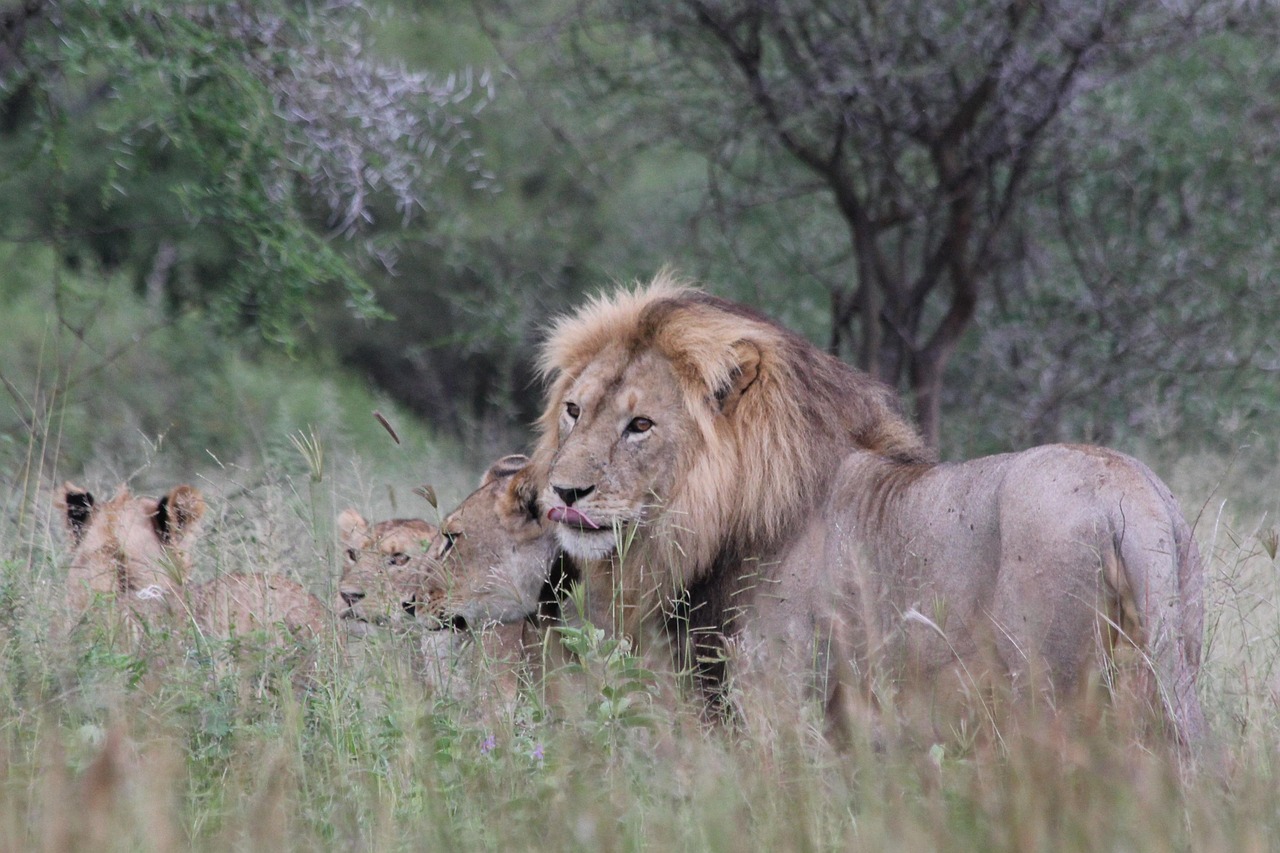
lion, africa, tanzania, tarangire, wild animal, safari, wildlife, wild, national park, wilderness, nature, tarangire, tarangire, tarangire, tarangire, tarangire
7 Days 6 Nights
Explore Tarangire, Lake Manyara National Park & Serengeti Nationla park & Ngorongoro Crater
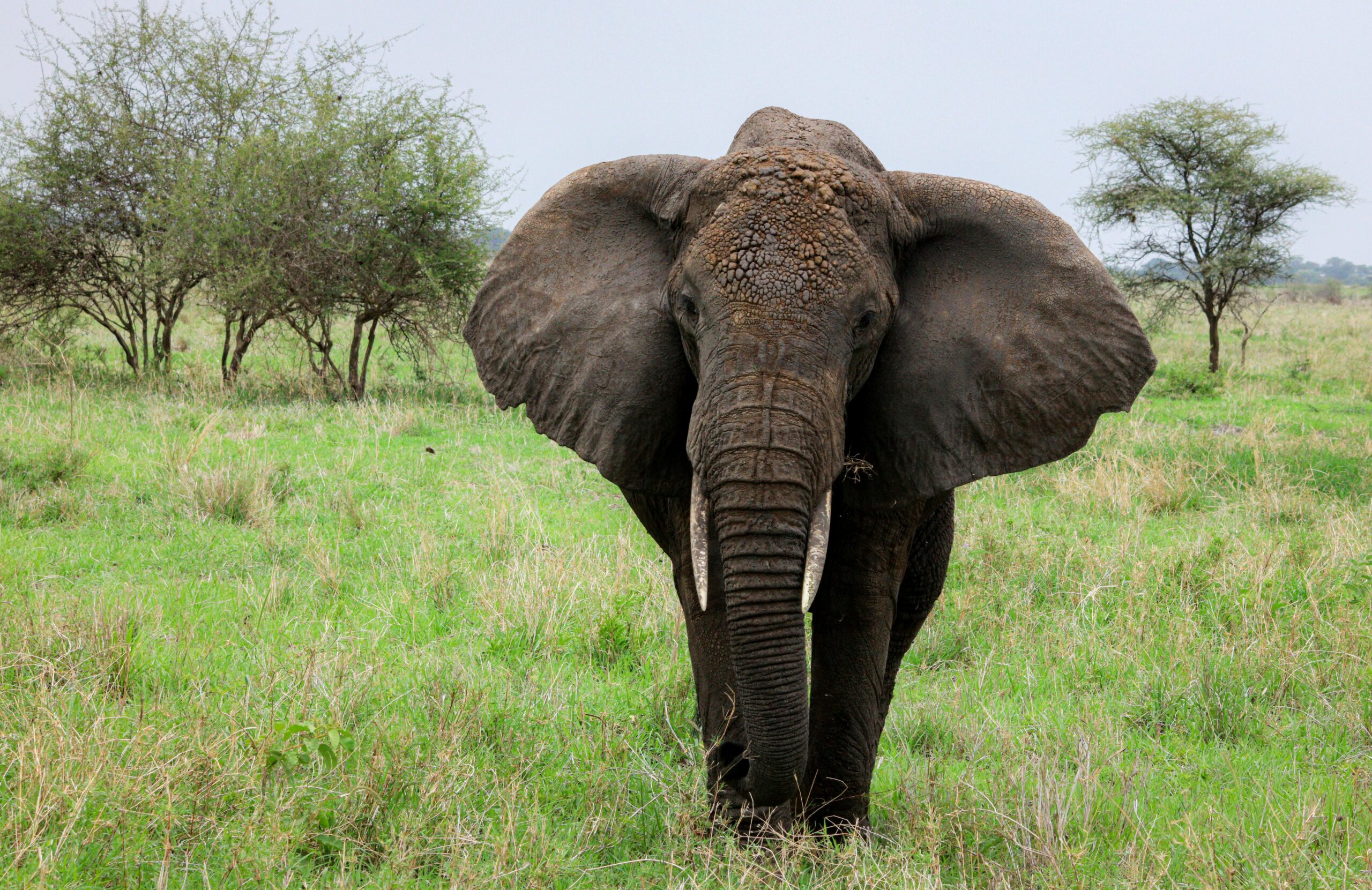
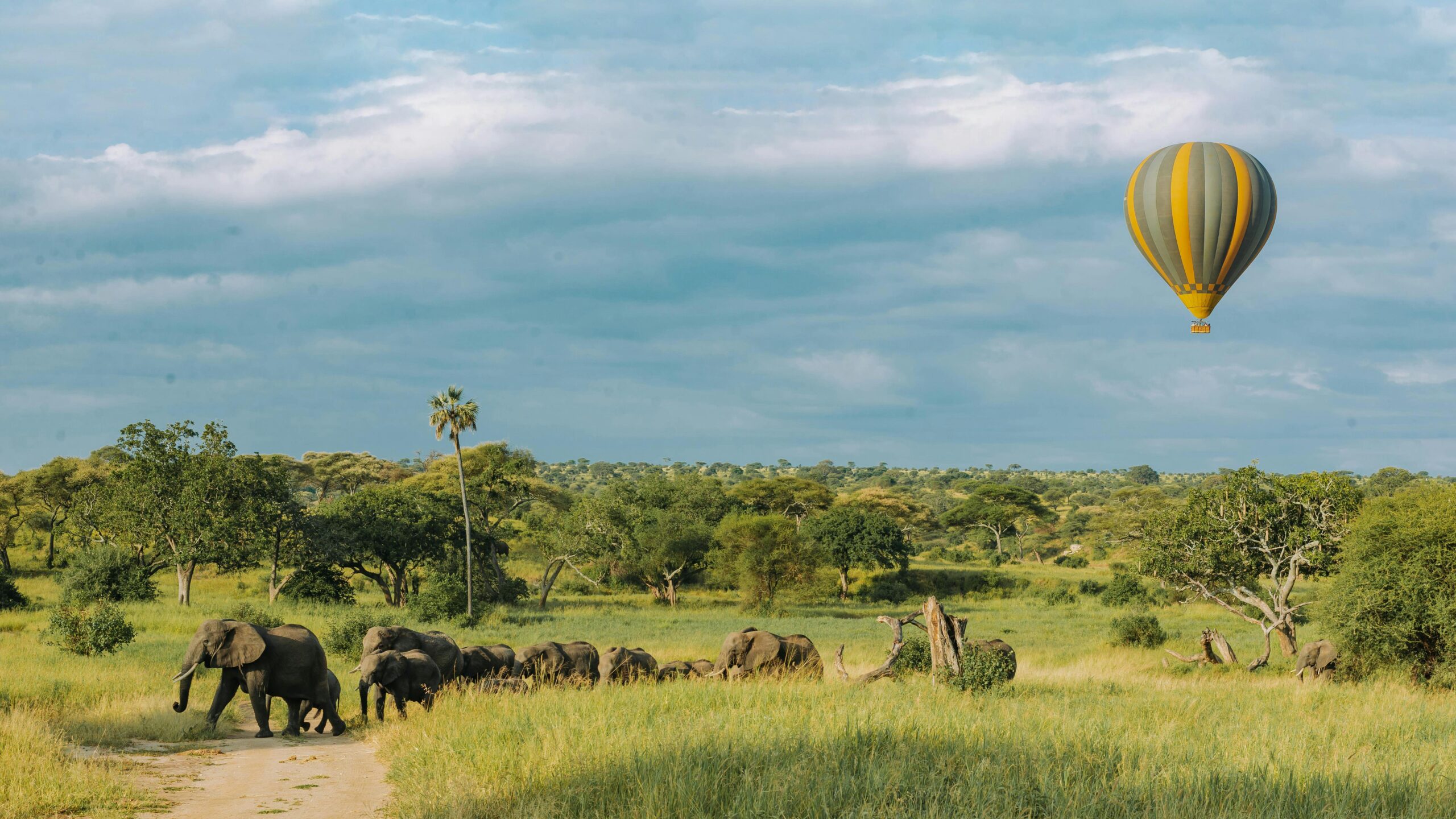
Close-up of an African elephant in Arusha, Tanzania, showcasing its majestic presence in the wild.
6 Days 5 Nights
Explore Tarangire National park , Serengeti, Lake Manyara & Ngorongoro Crater

Frequently Asked Questions

  • The Maasai are a semi-nomadic pastoralist tribe living in southern Kenya and northern Tanzania, known for their distinctive red robes, beadwork, and warrior traditions.

    • PrimaryMaa (their native language).

    • Also speak: Swahili and English (especially younger generations).

  • Red (shúkà) symbolizes bravery, strength, and protection.

  • It also repels lions and other predators (animals associate red with danger).

  • Main diet:

    • Milk (from cows/goats).

    • Blood (mixed with milk in rituals, not daily).

    • Meat (mostly goat, sheep, or cow – eaten on special occasions).

    • Maize porridge (ugali) (modern addition).

  • No farming traditionally (they rely on livestock).

  • Called “Adamu”, it’s a warrior dance where men compete to jump the highest (shows strength & attracts brides).

  • Tourists often see this at cultural visits.

    • Yes, polygamy is traditional (men pay dowry in cattle).

    • Wives live in separate huts within the same village.

A full detailed day-by-day itinerary

6:00 AM – Depart from Arusha/Moshi

  • Pick-up: Your guide arrives at your hotel in Arusha (or Moshi).

  • Drive time: ~2.5 hours to Tarangire (scenic views of Maasai villages and landscapes).

  • Breakfast: Packed breakfast provided (or stop at a café en route).

8:30 AM – Arrive at Tarangire National Park

  • Entry gate: Main gate (or Kuro airstrip if flying in).

  • Briefing: Quick overview from your guide about the park’s highlights.

9:00 AM – Morning Game Drive

  • Focus: Elephants, lions, and birdlife near the Tarangire River.

  • Key spots:

    • Silale Swamp (great for predators & large herds).

    • Baobab valleys (iconic photo backdrops).

    • Termite mounds (often used by lions as lookout points).

12:30 PM – Picnic Lunch

  • Location: Scenic picnic site (e.g., Tarangire Safari Lodge or public picnic area).

  • Meal: Packed lunch (usually sandwiches, fruit, juice, and snacks).

1:30 PM – Afternoon Game Drive

  • Focus: Exploring less crowded areas like Lemiyon & Gursi plains.

  • Wildlife to spot:

    • Leopards (around swampy areas).

    • Cheetahs (open grasslands).

    • Rare antelopes (gerenuk, fringe-eared oryx).

3:30 PM – Final Stop at the Tarangire River

    • Best for: Elephants drinking, buffalo herds, and sunset views.

4:00 PM – Depart for Arusha/Moshi

  • Drive back: ~2.5 hours (arrive by 6:30 PM).

  • Drop-off: At your hotel.

ENQUIRE NOW

This field is required.

Tips for the Best Experience

Get a questions

Get in touch with our safari experts directly for any inquiries regarding travel information, Itineraries, Payment policies & Return policy..

+255 754 657 411

What to Bring?